
Washington, D.C. — August 31, 2026
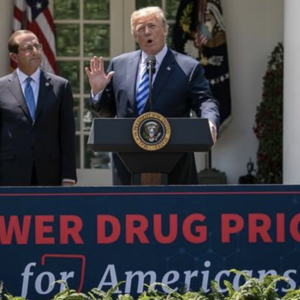
President Donald Trump has announced a new round of agreements with pharmaceutical manufacturers aimed at lowering prescription drug prices for Americans.
The announcement, made at the White House on August 31, adds nine pharmaceutical companies to the administration’s Most-Favored-Nation (MFN) drug-pricing initiative. The new agreements bring the total number of participating manufacturers to 26, according to the White House.
The administration says the initiative is designed to bring U.S. drug prices closer to the lowest prices paid in other developed countries.
Nine More Pharmaceutical Companies Join the Initiative
The companies included in the latest agreements are:
- Alcon
- Astellas Pharma
- BeOne Medicines
- BridgeBio
- CSL
- Kyowa Kirin
- Sun Pharma
- Teva Pharmaceuticals
- UCB
The White House says the agreements cover medicines used to treat a wide range of conditions, including cancer, Parkinson’s disease, hemophilia, macular degeneration, glaucoma, liver disease and skin conditions.
The administration says the 26 participating manufacturers now account for approximately 89% of the branded drug market in the United States.
What Is the “Most-Favored-Nation” Approach?
The basic idea behind the policy is relatively simple.
Under the MFN approach, pharmaceutical companies are expected to make certain medicines available to U.S. programs at prices comparable to the lowest prices paid by other developed countries.
The latest agreements specifically provide state Medicaid programs with access to MFN prices for medicines supplied by the nine newly participating companies. The companies have also agreed to MFN pricing for certain new innovative medicines they bring to market, according to the White House.
The administration has argued that Americans have historically paid significantly more for many prescription medicines than patients in other wealthy countries.
Reuters reported that the latest agreements are part of a broader effort by the Trump administration to reduce U.S. prescription costs and expand the use of international price comparisons.
Billions of Dollars in New U.S. Investment
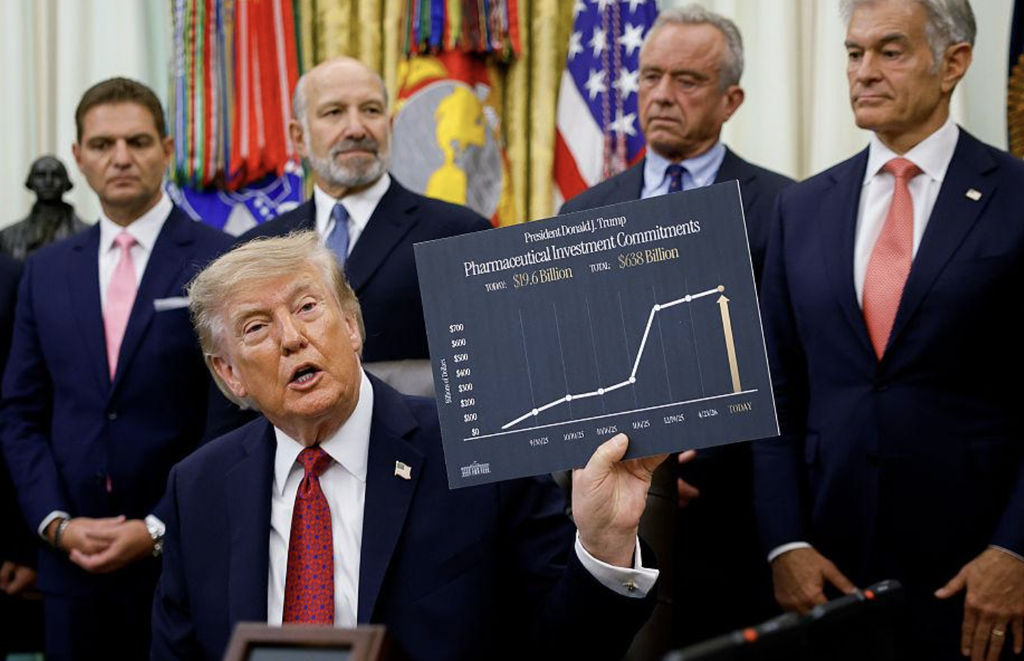
The agreements are not limited to drug prices.
According to the White House, the nine companies have committed to investing at least $19.6 billion in U.S. pharmaceutical manufacturing.
Several companies have also committed pharmaceutical ingredients to the U.S. Strategic Active Pharmaceutical Ingredients Reserve, which is intended to strengthen domestic supply chains and reduce reliance on foreign sources.
Some of the individual investments are substantial. For example, BeOne Medicines has announced plans for billions of dollars in U.S. manufacturing investment, while CSL and UCB have also announced major U.S. projects.
The administration says these investments could help strengthen the domestic pharmaceutical supply chain while the pricing agreements are implemented.
What Does This Mean for Patients?
For Americans who receive prescription medicines through Medicaid, the potential impact is relatively direct.
The latest agreements are intended to give state Medicaid programs access to lower prices for medicines produced by the participating companies.
For other Americans, however, the picture is more complicated.
The MFN agreements do not automatically mean that every prescription at every pharmacy will immediately become cheaper. The precise discounts and the medicines covered by individual agreements are not fully public, and the impact on people with private insurance or Medicare can vary. Reuters noted that many of the specific terms of the new agreements remain private.
That distinction is important because a government announcement about lower negotiated prices is not necessarily the same thing as an immediate reduction in what every patient pays at the pharmacy counter.
TrumpRx and Direct Savings
The new agreements also build on the administration’s existing drug-pricing efforts, including TrumpRx, a government platform launched in February 2026 that provides information about discounted prescription medicines.
The White House says Americans have saved more than $700 million through TrumpRx since its launch.
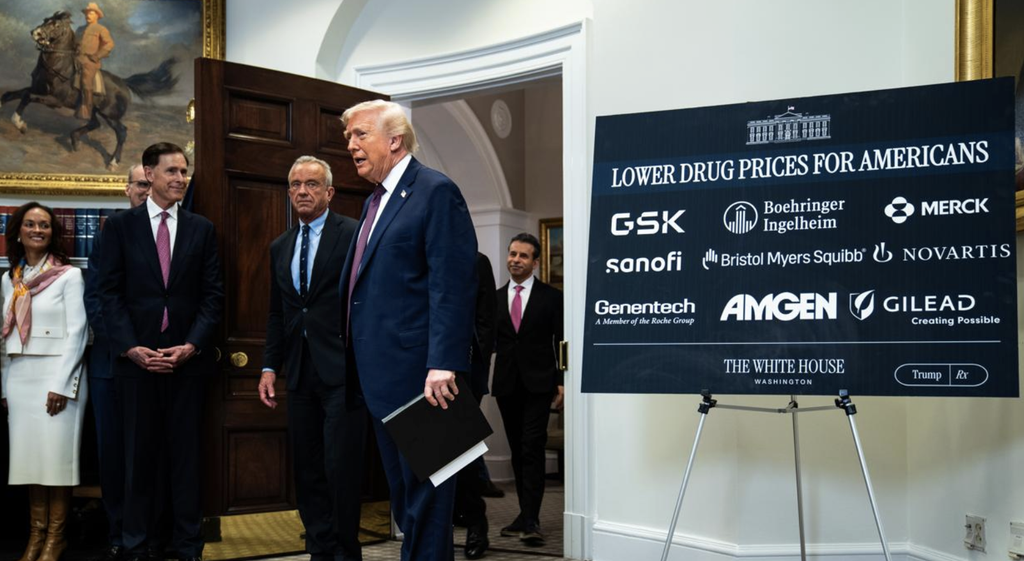
The administration has also previously reached agreements with major pharmaceutical manufacturers including Pfizer, Eli Lilly, Novo Nordisk, Merck, Sanofi and others. The latest deals expand the program to a total of 26 manufacturers.
Will Americans Actually Pay Less?
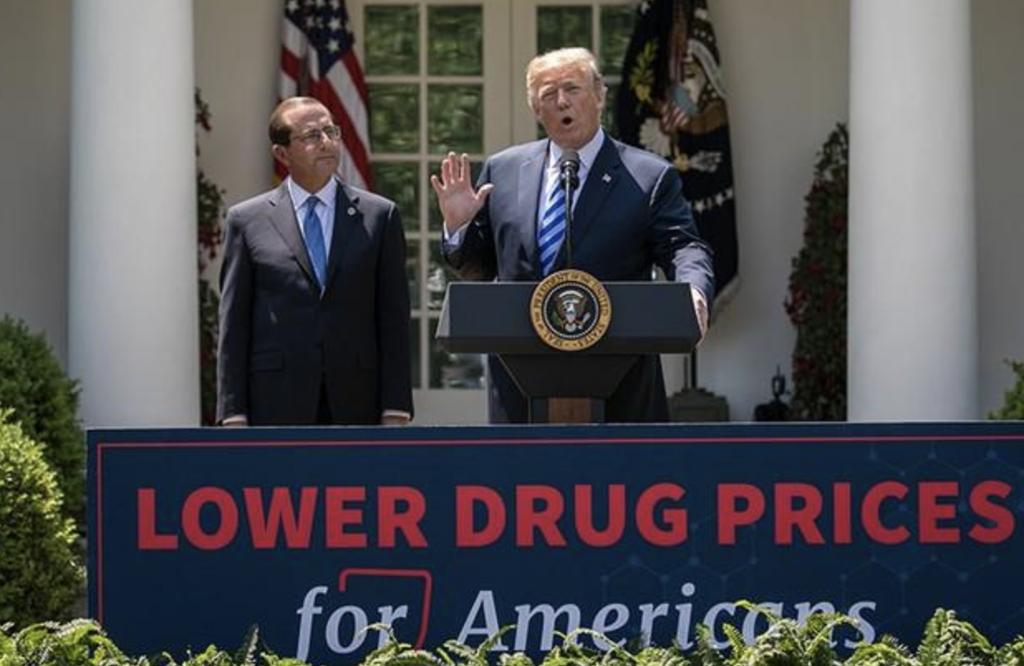
That remains the biggest question.
The Trump administration says its policies are already producing major savings and has pointed to falling prescription drug prices as evidence that its approach is working.
The White House recently said prescription drug prices had recorded their largest annual decline in more than six decades.
However, independent analysts have cautioned against attributing the entire decline to Trump’s new agreements.
FactCheck.org reported that experts questioned how much of the recent decline could be directly attributed to the administration’s policies, noting that other factors may also be responsible.
There is also an important distinction between Medicaid prices, cash prices, Medicare prices and the prices paid by people with private insurance. A reduction in one part of the healthcare system does not necessarily translate into the same reduction everywhere else.
For that reason, the real test of the new agreements will be what patients actually see when they fill their prescriptions.
A Larger Fight Over Drug Prices
The latest announcement is part of Trump’s broader effort to change the way prescription drugs are priced in the United States.
The administration argues that Americans should no longer pay substantially higher prices while other developed countries negotiate lower costs with pharmaceutical companies.
Critics, meanwhile, have questioned whether voluntary agreements with drug manufacturers will produce broad savings across the healthcare system and whether the government’s headline savings estimates will ultimately be realized.
For now, the latest agreements represent another significant expansion of Trump’s drug-pricing initiative.
Twenty-six pharmaceutical manufacturers are now part of the program, and the administration says the agreements could eventually translate into billions of dollars in savings.
The question that matters most to patients, however, is much simpler:
Will the price on the pharmacy receipt actually go down?
That answer will become clearer as the individual agreements take effect and more details about the discounts become public.