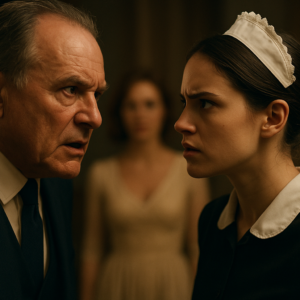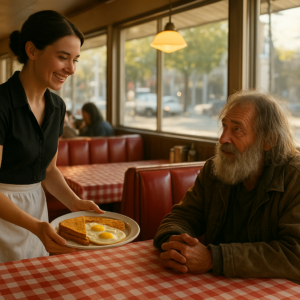

The words from twenty years ago still echo with a chilling clarity. ‘Margaret. You have to move out today. I’m going to sell the house.’ I can still see her face, the tears welling in her eyes as she whispered, ‘But I have nowhere to go. Your father said I could stay.’ My reply was a blade of ice. ‘My father is dead. What he said no longer matters.’ I watched her pack two old suitcases, her hunched frame buckling under their weight and the weight of sixty-five hard-lived years. I did not offer a ride. I did not offer money. I felt nothing but a cold, efficient satisfaction. The house sold for a million dollars, seed money for a life of comfort I believed I had earned.
For two decades, I built that life. The capital grew, my business flourished, and I surrounded myself with the trappings of success: a wife, two children, a sprawling home in the suburbs. In the early years, Margaret’s ghost would sometimes flicker at the edge of my conscience. ‘Was she doing well? Did she find a new job?’ But time, aided by willful neglect, buried those questions. I had convinced myself it was just a business transaction, a necessary severance. Then, the envelope arrived.
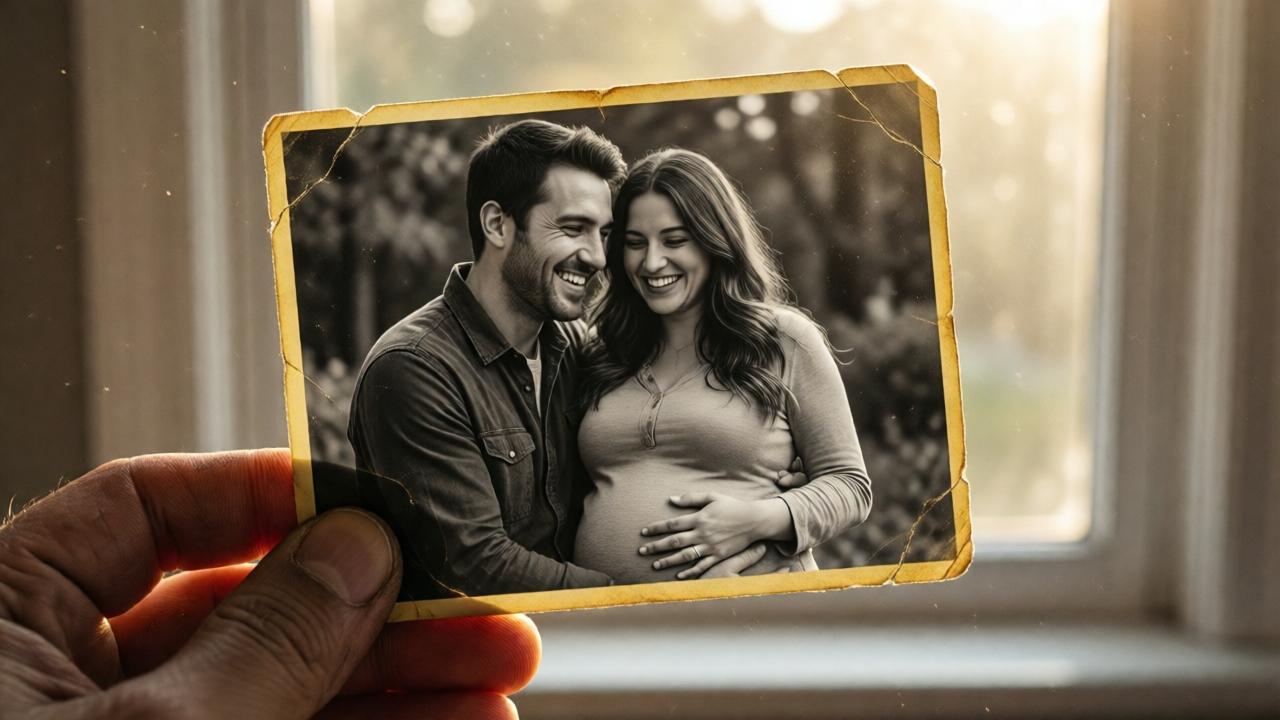
It was a plain, white envelope with no return address. Inside, a single, aged photograph and a letter in a frail, cursive hand. The photo stole my breath. It was my father, James, decades younger than I ever knew him, beaming with an unrestrained joy I had never witnessed. Beside him stood a young woman, her hand resting gently on her rounded belly. On the back, in faded ink: ‘1963. James and me, three months before your birth.’ My heart hammered against my ribs. The letter began, ‘Dear James, if you are reading this, it means I have already passed away. There is something your father asked me never to tell you.’
I sank into my chair, the world tilting on its axis. The letter continued, ‘The woman in the photo is your mother, Siobhan. She was my sister. We came from Ireland together, full of hope. She and your father were deeply in love, but her pregnancy was difficult. She died giving birth to you.’ The words blurred. My mother wasn’t the distant figure from the few stories I’d heard; she was this smiling, vibrant woman my father had loved and lost. Margaret wrote, ‘Your father was shattered. He asked me to care for you, to be the nanny, so you would never feel the absence too acutely. He could not bear to tell you the truth, fearing it would shadow your life as it did his. He made me promise.’
The realization was a physical blow. Margaret wasn’t just a caregiver. She was my aunt. She had changed my diapers, soothed my childhood fears, and later, tended to my dying father with a devotion that was familial, not professional. And I had thrown her out into the street. ‘I stayed,’ her letter went on, ‘because you were my last piece of Siobhan. And because I loved your father, in my own quiet way, for the life he tried to build around his grief.’ The coldness I had felt that day at the cottage curdled into a searing, unbearable shame. My comfortable life, my big house, my sense of self—it was all built on a foundation of willful ignorance and profound betrayal.

The final paragraphs of the letter were the hardest to read. ‘I do not write this to burden you with guilt, James, but to free you with truth. Your father was a good man, trapped by his sorrow. I have no anger left for you. But if you read this, I ask one thing: find where they buried Siobhan. She rests in St. Brigid’s cemetery, under her maiden name. Visit her. Tell her about your life.’ The letter was signed simply, ‘With love, your Aunt Margaret.’ The envelope contained one more item: a small, taped key with a tag that read ‘First National Bank, Safety Deposit Box 714.’
The following days were a haze. I told my wife everything. The confession was like lancing a poison. With her support, I began the desperate search for any trace of Margaret, but twenty years is a long time for a homeless, elderly woman to disappear. The bank box held the final pieces: my mother’s wedding band, my father’s love letters to Siobhan, and a will—not my father’s, but Margaret’s. It left her meager savings to a local women’s shelter.
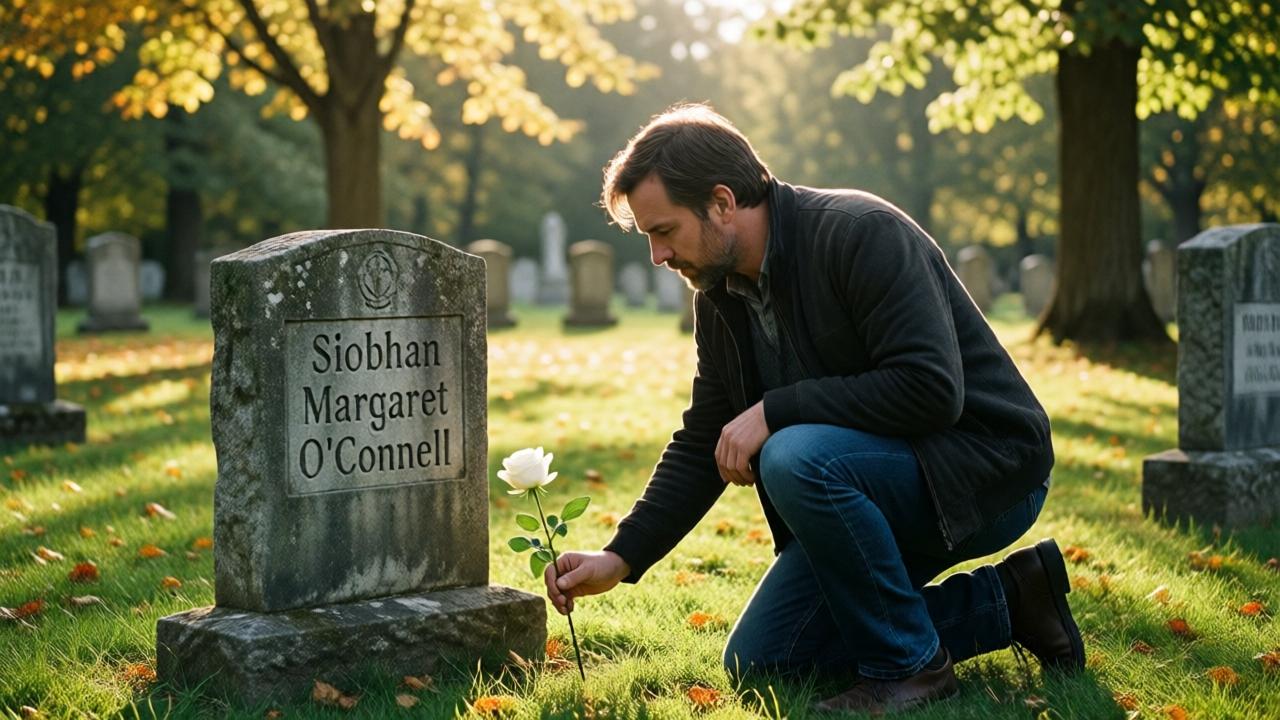
The executor’s note stated she had died there, peacefully, five years prior. The shelter director, when I finally visited, remembered her well. ‘She was quiet,’ the director said softly. ‘She often spoke of a nephew she had lost touch with. She hoped he was happy.’ I left the shelter, the bright sun feeling like an accusation. My journey to atonement was just beginning, and it started with a long-overdue visit to a gravesite I never knew existed.