

In a world that often equates physical difference with limitation, Carmen and Lupita Andrade stand as a living testament to the power of individuality, respect, and love. These 22-year-old conjoined twin sisters, who moved to the United States from Mexico as babies, are connected at the torso and share a pelvis, a reproductive system, a liver, and a bloodstream. They each have two arms but only one leg. Yet, despite this extraordinary physical bond, they are two entirely distinct people with their own personalities, dreams, and life paths. Their story is not just about their unique anatomy—it’s about the profound respect they have for each other’s choices, and the way they’ve navigated life with grace, humor, and an unshakable sense of self.
Carmen and Lupita have spent their lives coordinating almost every aspect of daily existence. From the simple act of walking—Carmen controls the right leg, as she jokingly says, “I do the driving!”—to navigating social situations, they must work in perfect harmony. Lupita, meanwhile, takes charge of the tunes and navigation, a division of labor that has made them a seamless team. “I do most of the talking, but she’s hilarious,” Carmen says, highlighting the complementary nature of their relationship. This teamwork extends beyond logistics; it’s a deep, intuitive connection that allows them to feel each other’s emotions. “I can feel when Carmen is anxious or about to cry. It’s that same stomach drop,” Lupita explains. They absorb each other’s feelings, a phenomenon they’ve experienced since childhood, and which has only deepened their bond.
In October 2024, Carmen made headlines when she married her longtime boyfriend, Daniel McCormack, in an intimate ceremony in Connecticut. The couple met on the dating app Hinge in October 2020, and from the start, Carmen knew Daniel was different. “I never tried to hide the fact that I’m a conjoined twin, which meant I got a lot of messages from guys with fetishes,” she recalls. “I knew right off the bat that Daniel was different from the others, because he didn’t lead with a question about my condition.” Carmen, who struggles with social anxiety, felt an unusual calmness on her way to their first date. Their relationship blossomed, and despite the unique challenges of dating while conjoined, they’ve built a strong partnership. Lupita, who identifies as asexual, has been supportive from the beginning. “I want Carmen to settle down. I know that’s important to her,” she says. The three of them have formed a close-knit unit, with Daniel and Lupita getting along famously. “It’s funny because I stay up later than Lupita, but when Daniel sleeps over, I fall asleep quickly—and he stays up talking with her,” Carmen shares, illustrating the unusual but loving dynamic they’ve created.
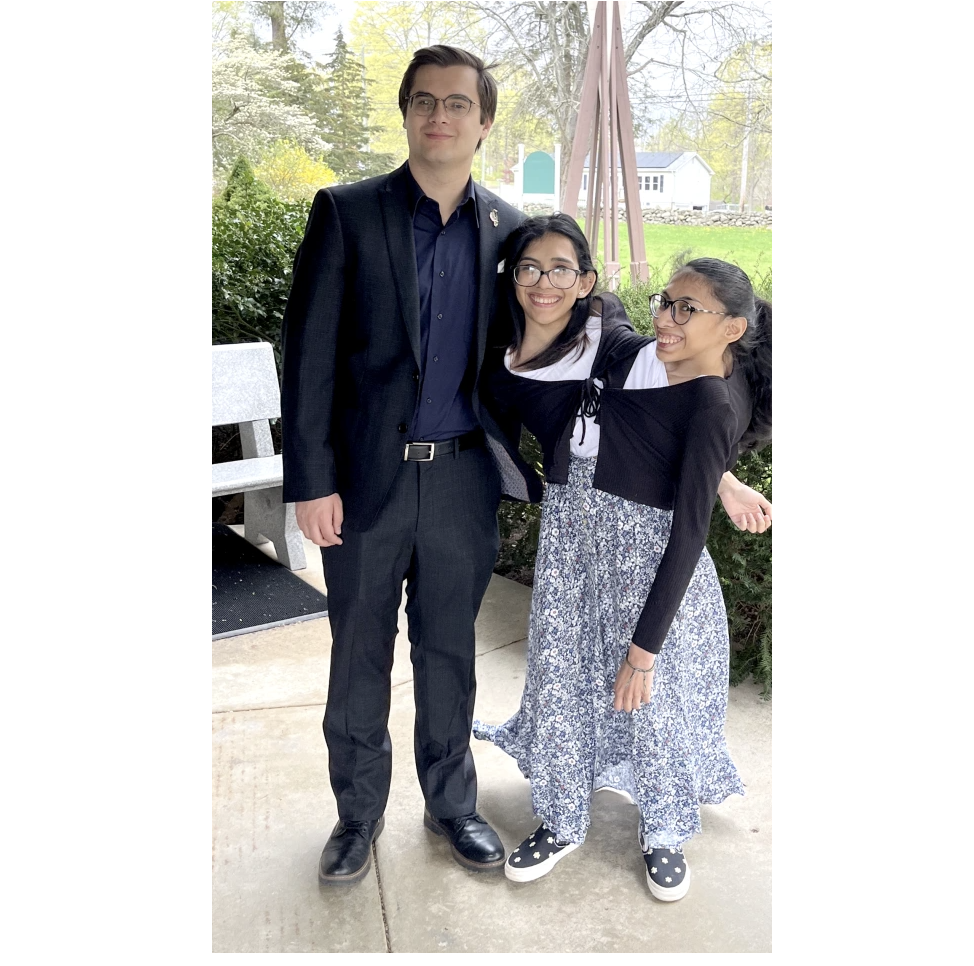
The wedding was a celebration of love, but it also underscored the sisters’ individuality. Lupita was not part of the marriage, and she has openly stated that she has no desire to marry herself. This distinction is crucial: while they share a body, they do not share a destiny. Carmen and Lupita have always maintained their own identities, from their distinct hairstyles—Carmen has a septum ring, while Lupita sports a nose piercing—to their different glasses choices. They even have different career aspirations within the same field: Carmen is studying to be a veterinary nurse, while Lupita hopes to work as a technician and dreams of becoming a comedy writer. Their shared passion for animals is a testament to their bond, but their individual goals highlight their separateness.
One of the most common questions the sisters face is about the possibility of separation surgery. Lupita is unequivocal: “If we had separation surgery, either one of us would die, both of us would die, or we’d end up in the ICU and never get out.” This stark reality has shaped their perspective on life. They don’t view their condition as a tragedy but as a unique way of being. “It’s not all rainbows and sunshine, we’ve had a lot of challenges, but we have a great life,” Carmen says. They enjoy going to movies and concerts, sharing a single seat, and they travel on airplanes—last year, they flew to California and Texas. They’re also planning to get back into the gym, with Carmen aiming to bench press 100 pounds, a goal that reflects their determination to stay strong for their veterinary work, which often involves carrying large dogs.
The sisters are also candid about the challenges they face. They’ve experienced mean-spirited comments and intrusive questions, particularly on social media, where they share videos to normalize conjoined twins. “A lot of people aren’t used to people with disabilities setting boundaries or creating boundaries when it comes to their disability,” Carmen explains. They receive questions about sex and bathroom habits, but they handle these with patience and dignity. “We’re not just conjoined twins, we’re people,” Carmen asserts, a reminder that their condition does not define their humanity.

Their childhood, they say, was happy, despite occasional cruelty from peers. “The ‘popular’ kids would infantilize us and talk to us like we were babies,” Carmen recalls. But they always had a strong circle of friends, and Lupita’s intuition about people helped them avoid toxic relationships. “She has really good intuition about people, so if she likes them, I like them,” Carmen says. This trust in each other’s judgment is a cornerstone of their relationship.
Despite the constant togetherness, the sisters never get sick of each other. “Sometimes at the end of the day, we’re just exhausted and we don’t want to talk,” Carmen says. In those moments, they retreat into their own digital worlds—Carmen on her laptop for schoolwork, Lupita with headphones and music. “We’ve been conjoined our whole life, so it’s not like we miss our independence. It’s all we’ve ever known, right?” This acceptance is not resignation but a profound understanding of their reality.
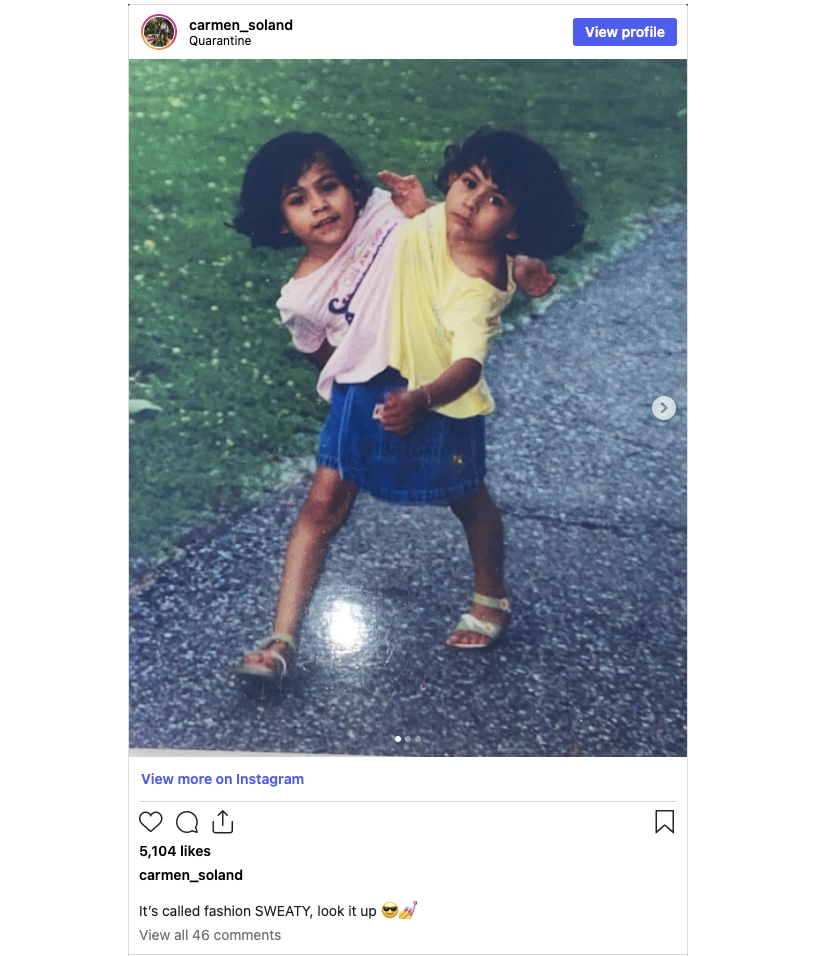
The Andrade sisters’ story is a powerful reminder that individuality can thrive under the most extraordinary circumstances. They share a body, but they have separate souls, separate dreams, and separate lives. Their relationship is a masterclass in compromise, respect, and unconditional love. As Carmen prepares for married life with Daniel, and Lupita pursues her own path, they continue to inspire others to look beyond physical differences and see the person within. Their message is simple yet profound: we are all more than our bodies, and love, in all its forms, is the thread that connects us all.