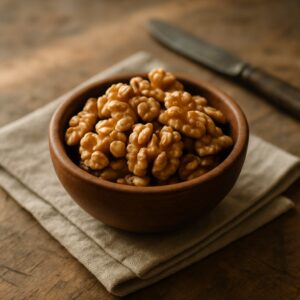

Many people wonder about the impact of incorporating walnuts into their daily routine, given their reputation as a nutritious and adaptable food. Even a modest serving can enhance everyday dishes, providing a blend of beneficial fats, proteins, and phytonutrients. This article takes a clear-eyed look at the nutritional profile of walnuts, explores the potential outcomes of regular intake, and identifies individuals who should be particularly mindful.
Walnuts are rich in polyunsaturated fats, notably alpha-linolenic acid, which is a plant-derived omega-3 fatty acid. They are also a source of plant-based protein, dietary fiber, and essential minerals like magnesium, phosphorus, and copper. Furthermore, they contain B vitamins and antioxidant compounds such as polyphenols. These elements contribute to the nut's nutritional density, making walnuts a smart component of a well-rounded diet.
Consuming walnuts regularly can promote a greater sense of fullness, as the combination of fats, fiber, and protein works synergistically. Many individuals find that snacks including nuts sustain them longer compared to options high in carbohydrates. The polyunsaturated fatty acids in walnuts are regarded as supportive for maintaining a healthy dietary fat profile. Observational research frequently indicates a link between nut consumption and positive cardiovascular indicators, though such associations do not equate to guaranteed health improvements. Antioxidants and secondary plant compounds can add variety to one's diet and help mitigate oxidative stress. It is crucial to remember, however, that single foods are merely one piece of a holistic, balanced lifestyle.
As a general rule, nutrition professionals often suggest a handful of walnuts each day. This equates to approximately 20 to 30 grams, or about five to seven walnut halves. This quantity delivers valuable nutrients without overly impacting your daily caloric intake. When adding walnuts to a balanced eating plan, small servings are frequently enough to reap the nutritional rewards. Nonetheless, if calorie consumption from other sources is high, the total dietary amount should be taken into account.
Individuals with nut allergies must, understandably, avoid walnuts entirely. Additionally, people with specific digestive concerns or conditions affecting fat absorption might experience discomfort from a high nut intake. This is not medical advice but a point for careful consideration. Older adults, including those over 50, often find walnuts easy to include in their daily meals but should also monitor portion sizes, especially if their overall caloric needs are lower. When in doubt, consulting with a healthcare professional about personal dietary requirements is wise. Those managing their body weight should view walnuts as an energy-dense food and adjust portions accordingly. Using small amounts as a topping for yogurt, in salads, or as a snack is typically more manageable than consuming large quantities.
In summary, walnuts can be a valuable part of a diverse diet but are not a miracle food. A practical takeaway is that walnuts deliver a concentrated package of healthy fats, protein, fiber, and minerals. A daily handful serves as a sensible guideline for many to supplement their nutrient intake without exceeding calorie goals. Experiment with adding walnuts in modest portions—to your morning muesli, as a salad garnish, or as a simple snack. This allows for easy integration into daily life, contributing to dietary variety without claims of curative or assured health effects.