
Is a banana truly a healthy choice to kick off your day? Countless individuals value the banana as a convenient, speedy morning option. This article offers an unbiased look at the nutrients bananas deliver, their influence on energy and blood glucose, when they prove especially beneficial, and why a well-rounded mix remains crucial.
What Nutrients a Banana Delivers
Bananas are predominantly composed of carbohydrates, including sugars and starch, alongside dietary fiber, vitamins, and essential minerals. A medium banana offers a good dose of potassium and vitamin B6, with smaller quantities of vitamin C and magnesium. The fiber content, mainly pectin, aids digestion and can help extend feelings of fullness moderately. Moreover, bananas supply readily accessible energy without any complex preparation needed.
How Bananas Influence Energy and Blood Sugar
Bananas rapidly release utilizable carbohydrates in the forms of glucose, fructose, and sucrose. This can provide a temporary boost in energy levels, making them a handy option before physical activity or as a morning snack. Their effect on blood sugar is influenced by ripeness and what they are eaten with. Riper bananas are sweeter and may lead to a more pronounced blood sugar spike compared to less mature ones. Pairing them with a source of protein or fat slows the sugar absorption rate.
When a Banana Makes a Good Breakfast Choice
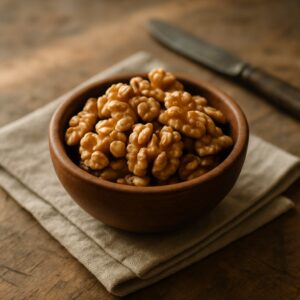
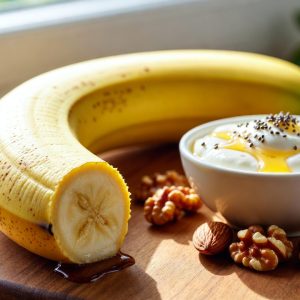
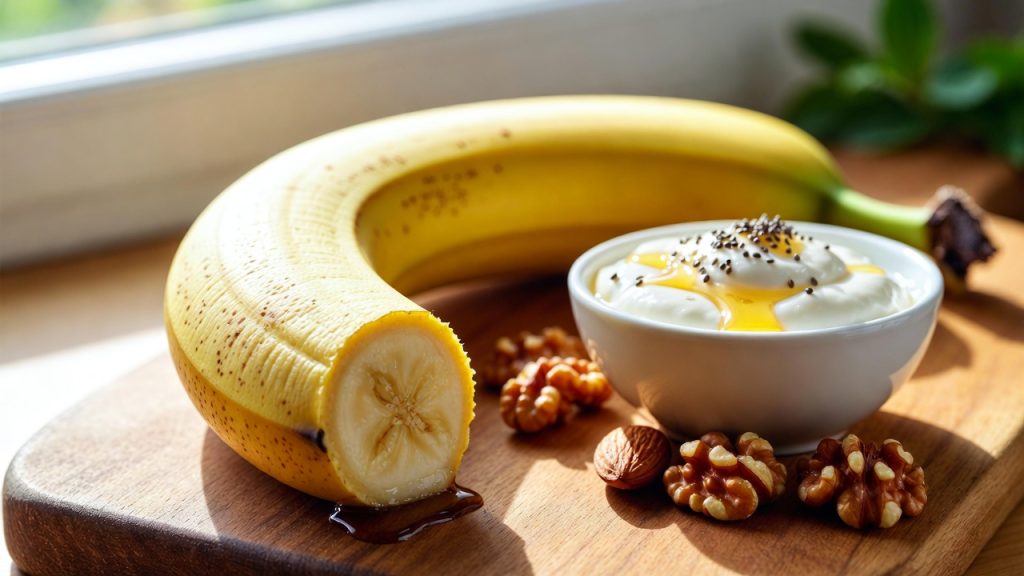
A banana is an excellent pick when you need a fast, straightforward energy source. It combines effectively with oatmeal, yogurt, or whole-grain toast, thereby intelligently enhancing a more nutrient-dense morning meal. On rushed mornings, a banana can serve as the foundation for a more balanced breakfast: for instance, paired with some plain yogurt and a handful of nuts, you create a blend of carbs, protein, and healthy fats. This promotes longer-lasting satiety and more consistent energy throughout the morning.
Why Balance is Essential
A banana by itself does not fulfill all nutritional requirements. For a steadier blood sugar response and adequate morning protein intake, combining it with other foods is wise. A banana as one component of a varied breakfast is typically a superior choice than consuming it alone. For individuals over 50, selecting complementary foods may be especially pertinent, as protein needs, mineral requirements, and metabolic responses evolve with age. Ultimately, balance and personal tolerance are paramount. Those with specific health conditions, such as diabetes or kidney issues, should consult a healthcare provider regarding banana consumption quantity and frequency. Generally, focusing on dietary variety and regular meals is recommended.
Practical Combination Ideas
Here are a few straightforward examples: A banana served with oatmeal and a dollop of nut butter supplies fiber, complex carbohydrates, and beneficial fats. Alternatively, a small chopped banana stirred into muesli with natural yogurt and seeds makes a nutritious alternative. For those avoiding dairy, combine the banana with plant-based yogurt and a small portion of nuts. These pairings decelerate sugar absorption and contribute extra protein. Furthermore, you can consciously select the banana’s ripeness. Less ripe fruits contain more resistant starch, which is digested more gradually. Riper fruits deliver quick energy and have a sweeter taste.
In summary, the banana is a practical element of a balanced breakfast when paired with protein- and fiber-rich foods. Minor tweaks can moderate the blood sugar impact and ensure you feel full for longer. Endeavor to view the banana not as a replacement for a complete meal, but as a sensible complementary piece. This approach allows for a nourishing and easily achievable start to your day.