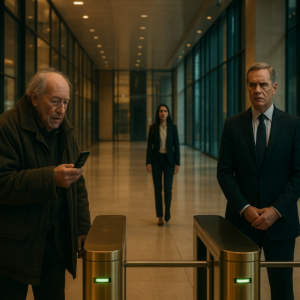

The cold metal of the car seat was a stark contrast to the plush leather of the office he once commanded. Diego wrapped his arms tighter around his shivering son, the child’s whispered fears cutting deeper than the winter wind. “Papa, we’ll never have a future again, will we?” In that moment, surrounded by the ghost of his former life, Diego made a promise that would become his anchor. “As long as we live,” he said, his voice steady against the despair, “God will never abandon us.” It was a declaration made not from a place of comfort, but from the raw, exposed bedrock of his soul.
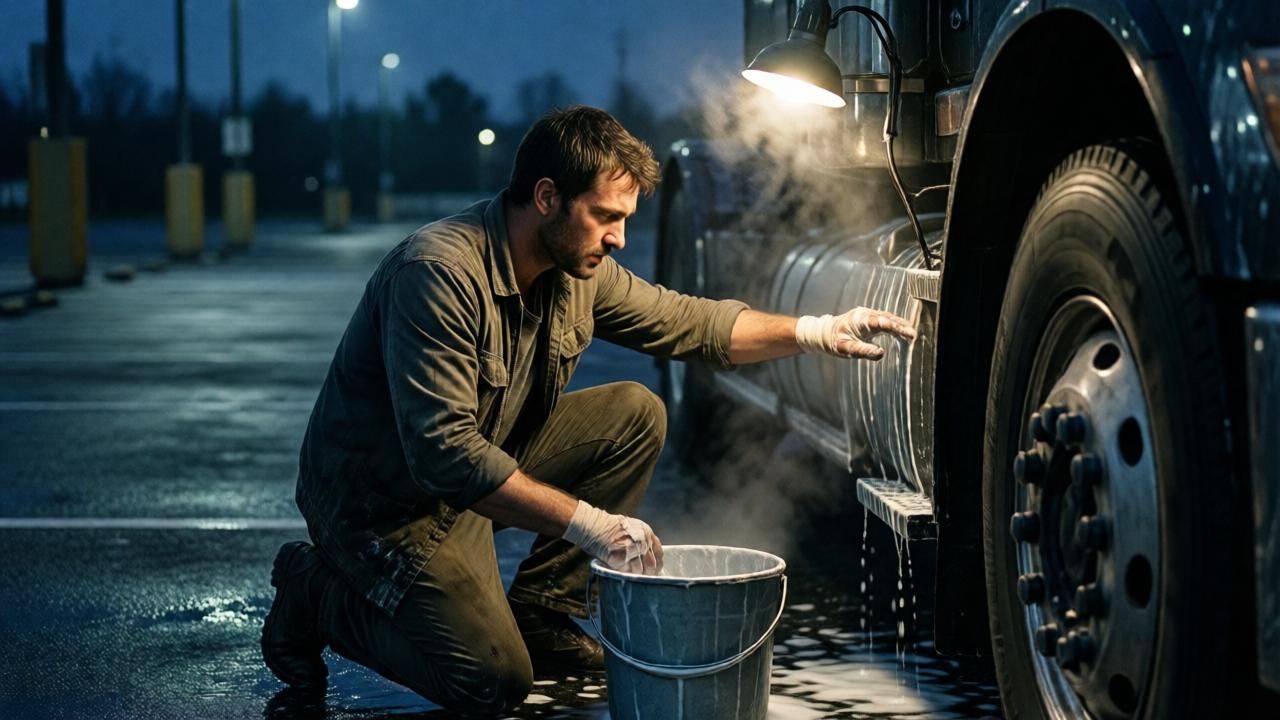
The days that followed were a brutal symphony of manual labor. By day, his shoulders bore loads that threatened to break his spine; by night, his hands, cracked and bleeding, scrubbed grime from countless cars under flickering streetlights. Each ache was a reminder of what he had lost, but each completed task was a brick in the foundation of something new. He worked not for pride, but for the two small faces waiting for him in that old car—his reason to endure. “You look like a man who knows how to finish what he starts,” a truck driver named Marco remarked one evening, handing him a coffee. That simple observation was the first thread of a lifeline.
The interview for the logistics company was held in a sterile office, a world away from the parking lots he now called his workplace. When the stern-faced manager asked about his relevant experience, Diego didn’t list past corporate victories. He met the man’s gaze and said, “I have experience starting over. I have experience carrying weight until my hands bleed and getting up the next day to do it again for my children. I have experience in faithfulness when nothing is promised in return.” The room fell silent. Marco, who had recommended him, gave a slight nod. The manager, after a long pause, simply said, “You start Monday.”
Diego’s ascent was not a meteoric rise but a steady, relentless climb. He learned the business from the ground up—literally, from the warehouse floor to the driver’s seat, and finally to the spreadsheets and strategy meetings. His unique perspective, forged in desperation, allowed him to solve problems others overlooked. Within five years, he had moved from worker to foreman, then to operations manager, and finally, he was offered a partnership. The day he signed the papers to buy out the company and rename it “Nueva Fe Logistics,” he stood in the same parking lot where he once washed cars, his children now standing tall beside him.
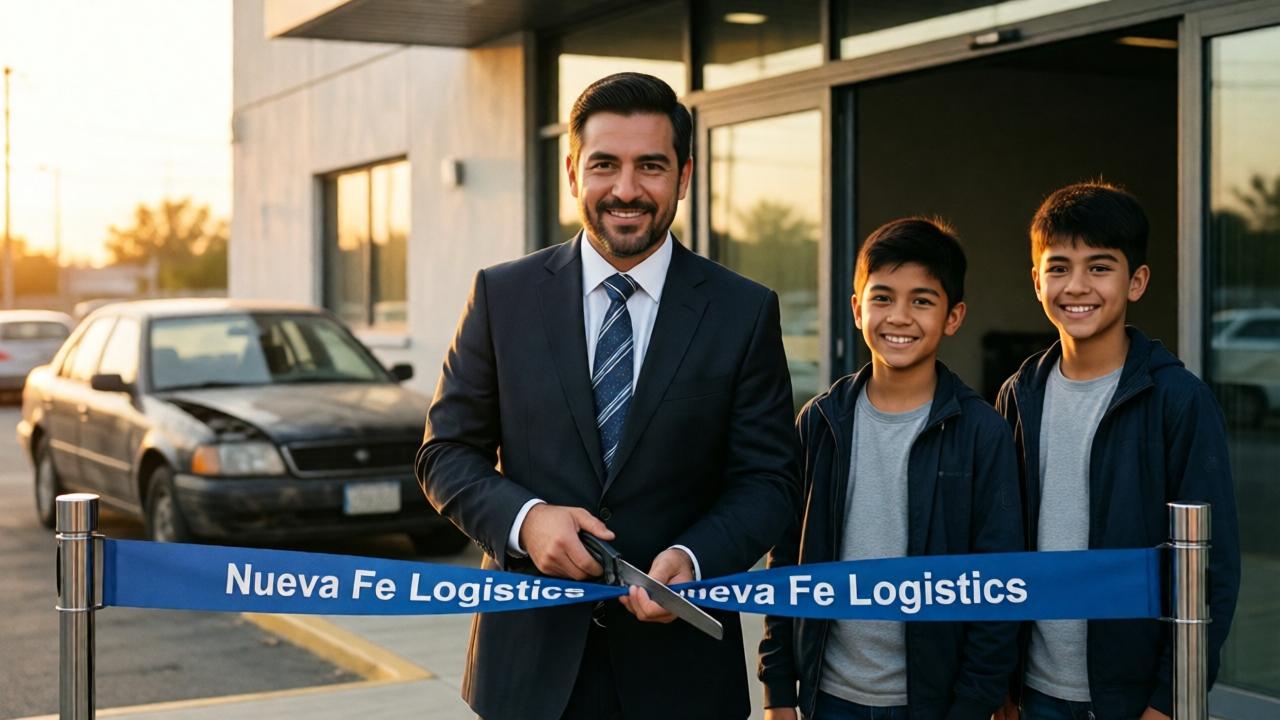
The grand opening was a celebration of community and second chances. Amid the crowd, a familiar figure appeared, her posture weighed down by regret. His ex-wife approached, her own life having unraveled—the man she had chosen had left, and her business ventures had collapsed. “You won,” she said, the words tasting of ash. Diego looked at her, not with triumph, but with a profound calm that had been earned through sleepless nights and prayer. “I didn’t win against you,” he replied softly. “I defeated who I used to be. The man who thought his worth was in his wallet. When you took everything, you left me with the only things that truly mattered: God gave me an unshakable faith, and He gave me back my children. Everything else was returned, multiplied.”
Diego’s story became a testament he shared not for glory, but as a beacon for others in their own dark valleys. He would tell his employees, “Sometimes, hitting rock bottom isn’t the end of your story; it’s the solid ground on which you rebuild your life. It’s the place where you discover that what you thought was your greatest weakness—your need, your desperation—can become your greatest strength.” He realized that his true success was not the company logo on the building, but the light of resilience in his children’s eyes and the peace in his own heart.
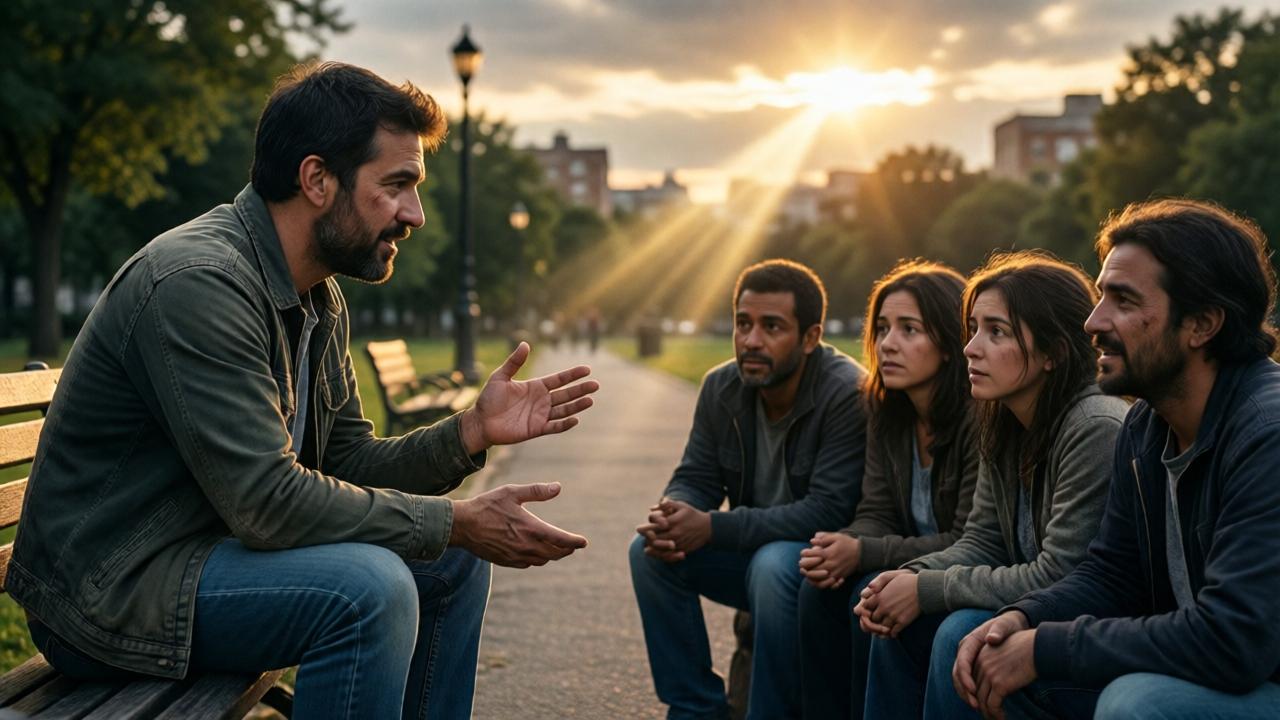
His message to anyone listening was simple, echoing the promise he made in that freezing car years before: “If you are in your low point, don’t you dare give up. Cling to whatever fragment of hope you have. Trust that your ending, if you keep faith and keep moving, will be greater than your beginning. The journey through the valley is what prepares you for the view from the mountain.” And in the quiet of his office, a small plaque reads the words that carried him through: “I believe in God.” It is less a statement of theology and more a declaration of a truth written in scars, sweat, and restored grace.