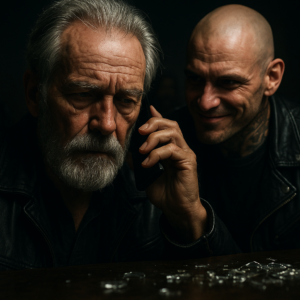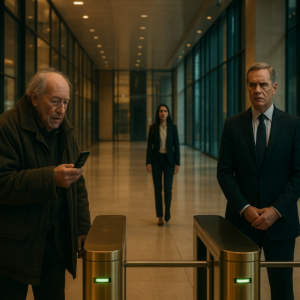
My name is Pierre. At 76, I had built a business empire from nothing, working 18-hour days and enduring every humiliation so my three children—Miri, Khaled, and Lucaro—would want for nothing. I succeeded, but at a terrible cost. I became not a father, but a bank. ‘Just transfer the funds for the new apartment, Dad,’ Miri would say. ‘The investment portfolio needs topping up,’ Khaled would demand. Only my youngest, Lucaro, the public school teacher, ever called just to ask, ‘How are you feeling today, Papa?’
The revelation came one silent night in my empty office. I had given them everything: overseas educations, luxury homes, a life without worry. Yet, I was profoundly alone. That night, I made a drastic decision. I would pretend I had lost everything. I put on tattered clothes, left my wallet and keys behind, and became a penniless old man wandering the streets. My mission was simple, yet terrifying: to see who would open their door when I had nothing left to give.
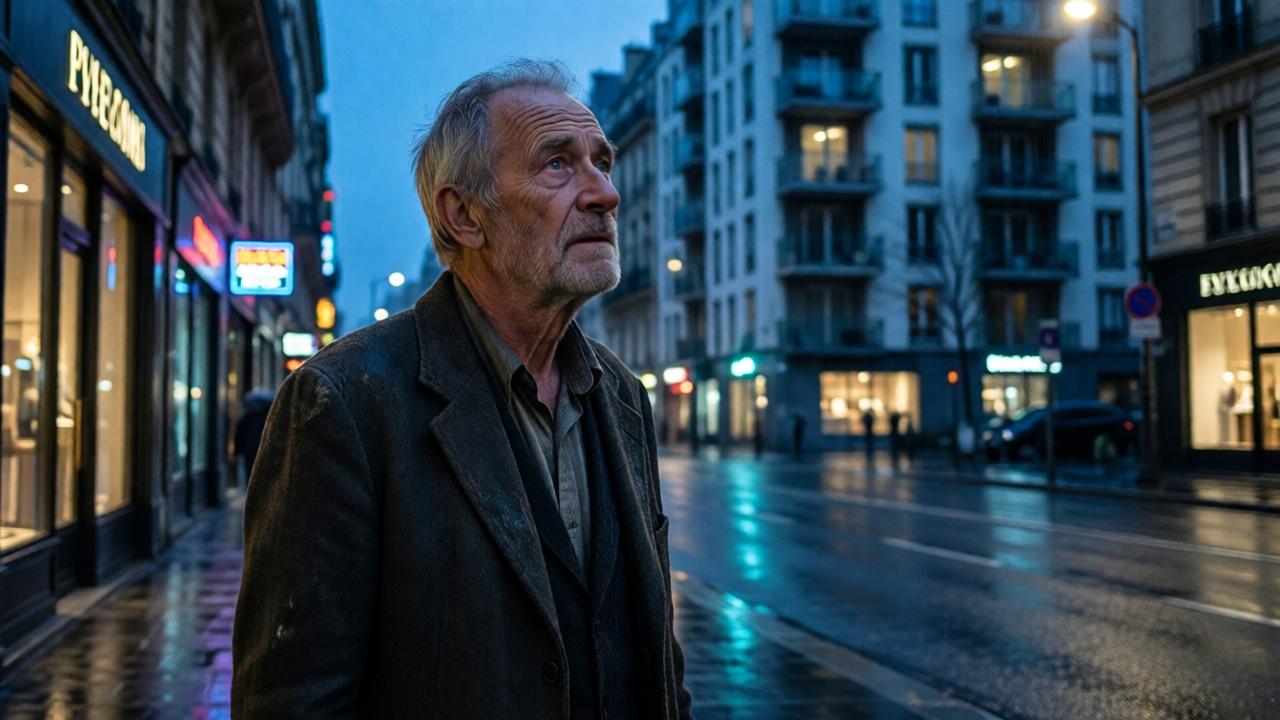
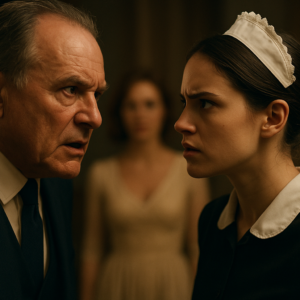
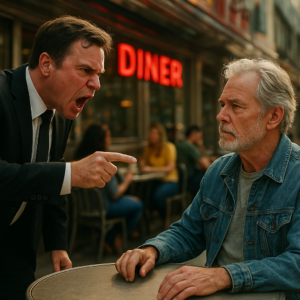
My daughter Miri’s rejection was swift and brutal. The moment she saw me at her elegant doorstep, her face contorted in disgust. ‘Get out! You’re like a beggar now! You’re not welcome here!’ she screamed. I pleaded, ‘Miri! I am your father! Dad has nowhere to live now!’ She recoiled. ‘Get lost! Seeing you makes me sick! You stink! And the neighbors will laugh at me!’ The door slammed, its finality echoing in my soul. My son Khaled, the esteemed doctor, was no better. He didn’t even let me speak. ‘I have an important dinner,’ he said coldly, thrusting a banknote into my hand as if to pay off a nuisance. ‘Don’t come back.’ Two children, two slammed doors. The man who had provided their world was now trash to be disposed of.
Heartbroken and physically drained, I dragged my feet toward the last address: the modest home of my youngest son, Lucaro, and his wife, Lina. This was my final hope, a flicker in the overwhelming darkness. I raised a trembling hand and knocked, bracing for the third and final rejection.
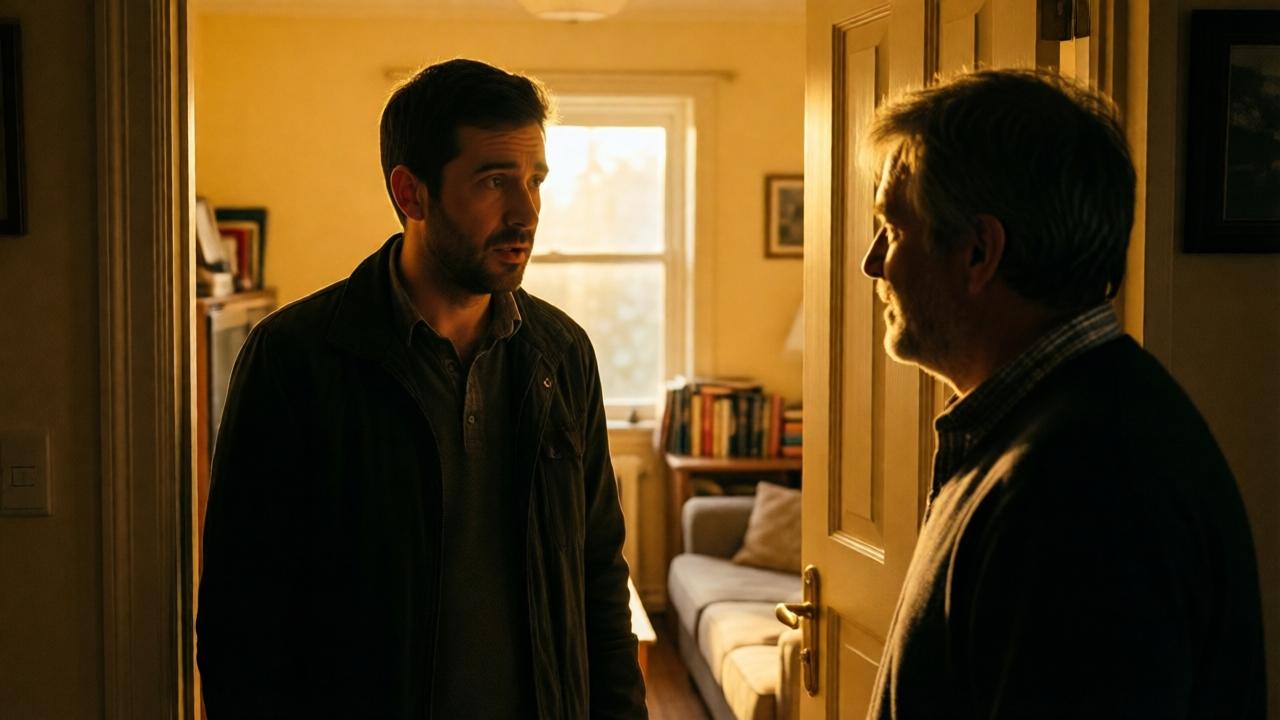
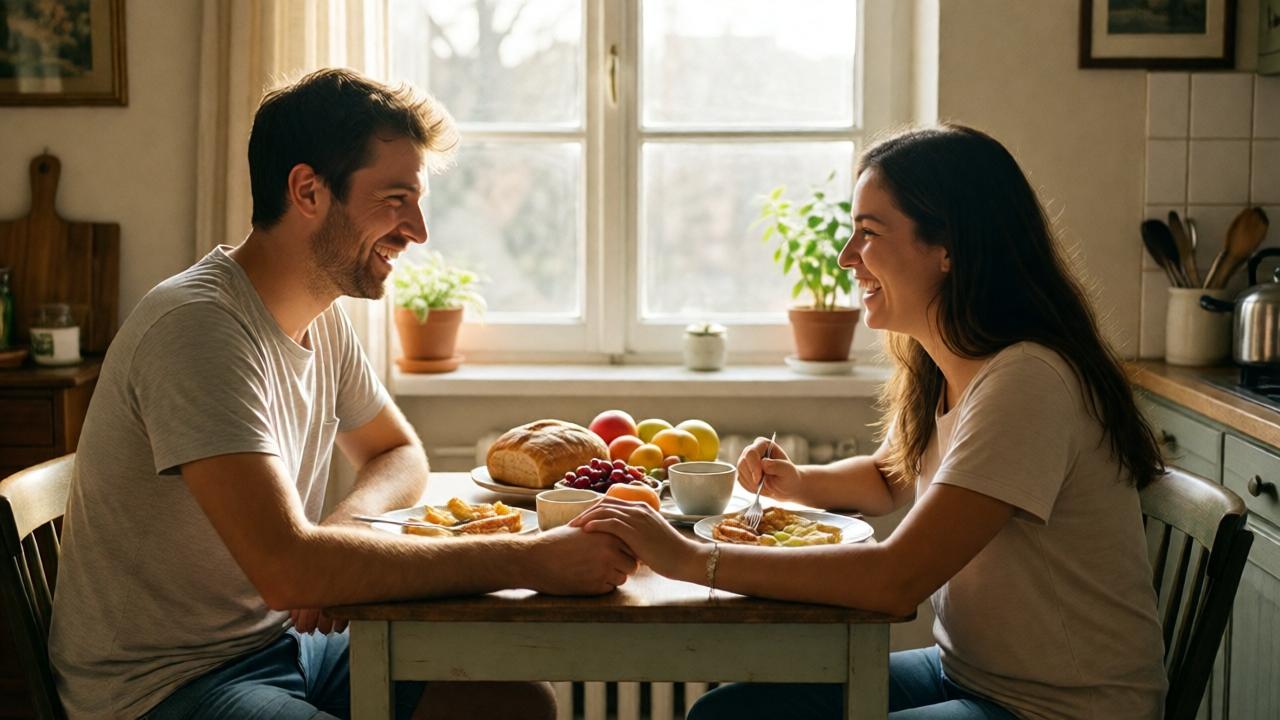
The door opened. Lucaro’s eyes widened, not with disgust, but with shock and deep worry. ‘Papa?’ he breathed. In an instant, he was pulling me inside, his arm around my shoulders. ‘Lina! Come quickly!’ he called. His wife appeared, and without a single question about money or status, they guided me to a chair. ‘You’re freezing. What happened? Are you hurt?’ Lucaro asked, kneeling before me. As I began to stammer a fabricated story about losing everything, Lina was already bringing a blanket and a cup of hot tea. ‘You’re home now, Papa. You’re safe here,’ Lucaro said, his voice firm with love. In that small, warm living room, surrounded by simple things and profound kindness, I finally understood what true wealth was.
The lesson was complete, and it was Lucaro who taught it. He and Lina gave me their bed, insisting I rest. As I lay there, I heard them whispering in the kitchen, planning how to make space for me in their small home. The next morning, I revealed the truth. Tears filled Lucaro’s eyes, not at the prospect of an inheritance, but in pain for the hurt his siblings had caused. ‘We love you, Papa. Not for what you have, but for who you are,’ he said. My experiment, though born of despair, gave me the answer I needed. My legacy would not be the empire I built, but the love in this humble house. And as for Miri and Khaled? They had a different lesson coming, one about the true cost of their choices.