
The check for $8,000 sat on the rickety kitchen table, a stark, impossible rectangle of paper against the chipped laminate. Henry could only stare, his breath catching in his throat. Marcus Sterling had just rewritten his future, paying off debts and securing his education, but the billionaire’s son wasn’t finished. ‘My mother is lucid this morning,’ Marcus said, his voice softening. ‘She has a request. She wants to see you again.’
Two days later, Henry found himself in a sun-drenched conservatory, not in a sterile office. Catherine Sterling, wrapped in a cashmere shawl, reached for his hand with a grip that was surprisingly firm. ‘Henry,’ she said, her eyes clear and piercing. ‘You saw me when I was invisible. I want you to help me see them.’ She gestured to a folder. ‘These are reports from my security team from that night. Seventeen people passed me by. I want to know their stories. Not to shame them, Henry. To understand why.’

And so began Part Two. Armed with Catherine’s resources and his own South Philly intuition, Henry didn’t conduct interviews from a distance. He went back to those cold, wet sidewalks. He found the shop owner who had threatened to call the police, a man named Leo, drowning in business loans and fear. ‘You think I wanted to be that guy?’ Leo said, voice ragged. ‘I’m one bad Yelp review from losing everything. A scene outside my door? I can’t afford it.’ Henry listened, and Catherine acted. She didn’t write a check; she connected Leo with a small business mentorship program funded by her foundation.
The woman who crossed the street, Ava, was a single mother rushing between two jobs, her phone buzzing with a warning from daycare about a sick child. ‘I saw her,’ Ava admitted to Henry over coffee, her eyes tired. ‘And my heart sank. But I had 20 minutes to get across town. The guilt has eaten at me since.’ Catherine’s solution was pragmatic: she funded a pilot for a 24/7 community crisis response van in that neighborhood, staffed by social workers, not police, so the next ‘Catherine’ would have immediate, dignified help.
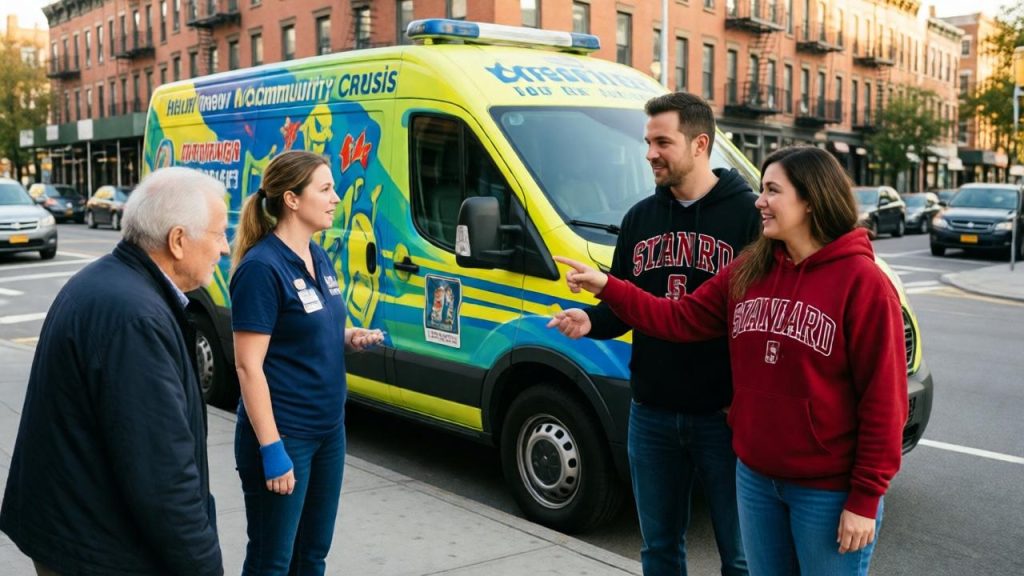
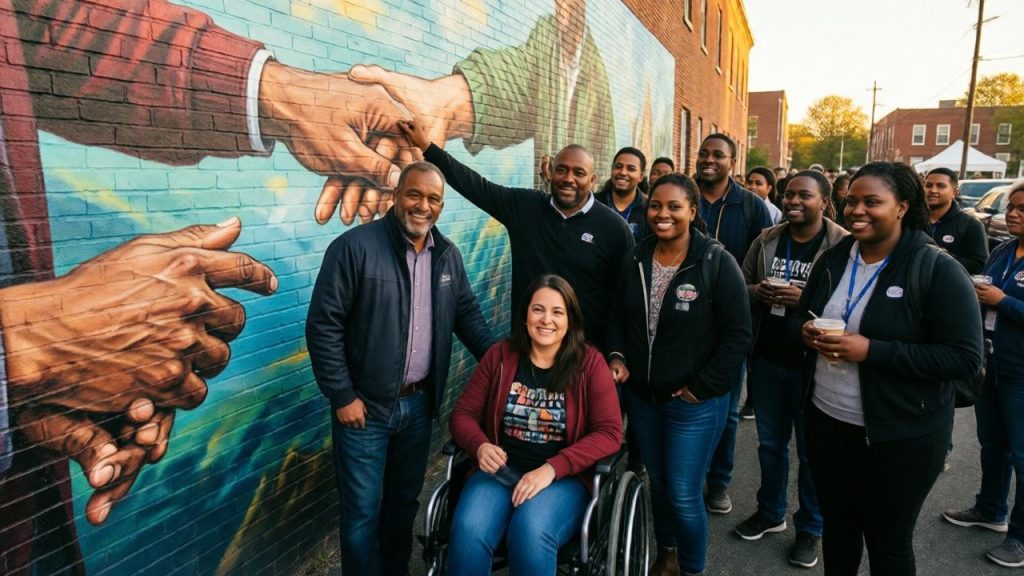
This became the movement: The Visibility Project. For every person who had passed by Catherine, Henry and the Sterling Foundation worked to dismantle the reason they felt they couldn’t stop. Financial stress, caregiver burnout, systemic distrust—each barrier was met with a specific, community-crafted solution. ‘We’re not building a monument,’ Catherine would tell her board. ‘We’re building a net.’ Henry, now at Stanford studying social policy, became the project’s bridge, translating between boardroom and sidewalk.
The ripple effects were profound. Leo’s revitalized shop became a safe hub for teens. Ava, with access to a new subsidized after-school program, trained to become one of the crisis van’s first responders. The story of the kid with $12 evolved into a citywide ethos. ‘Henry didn’t just help one woman,’ Marcus said at a project fundraiser. ‘He gave us all a mirror. And my mother gave us the courage to fix what we saw in it.’ The movement proved that kindness is not just a moral choice, but a catalytic one—capable of engineering systemic change when it’s truly seen through.
On the anniversary of that rainy night, Henry visited Catherine. She sometimes didn’t remember his name, but she always remembered the feeling. ‘The boy who saw me,’ she’d smile. He held her hand, thinking of the hundreds of lives now intertwined because he once spent $12 on soup. The greatest wealth, he realized, wasn’t in the scholarship or the paid rent. It was in the invisible net now holding up his entire city, woven from a single thread of compassion that refused to break.