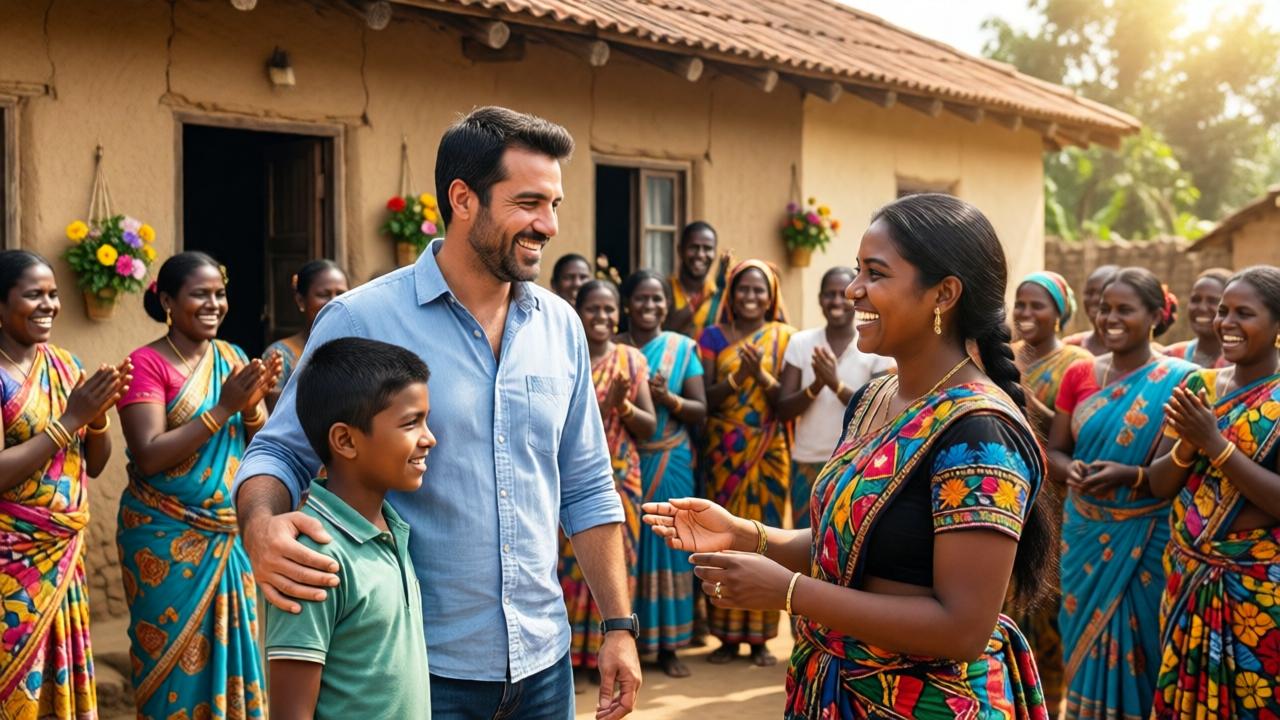

The car ride home was shrouded in a silence thicker than the countryside fog. The father, a man named Robert, gripped the steering wheel, his knuckles white, replaying his son Leo’s devastating words. ‘Thanks, Dad, for showing me how poor we are.’ Each syllable had been a hammer blow to the carefully constructed fortress of his worldview. He had expected a lesson in gratitude for their wealth; instead, he received a masterclass in true poverty—the poverty of spirit that plagued their own gated mansion.
For days, Robert moved through his palatial home like a ghost. The gleaming marble floors felt cold, the abstract art on the walls meaningless. His wife, Celeste, chirped about her new Chanel bag, her voice now grating. ‘Isn’t it divine, darling? It really completes the foyer look,’ she said, oblivious to the seismic shift in her husband. Leo’s quiet observation—’they have a beautiful and loving wife, while my stepmother is a gold digger’—echoed in Robert’s mind, casting every one of Celeste’s demands in a new, harsh light.
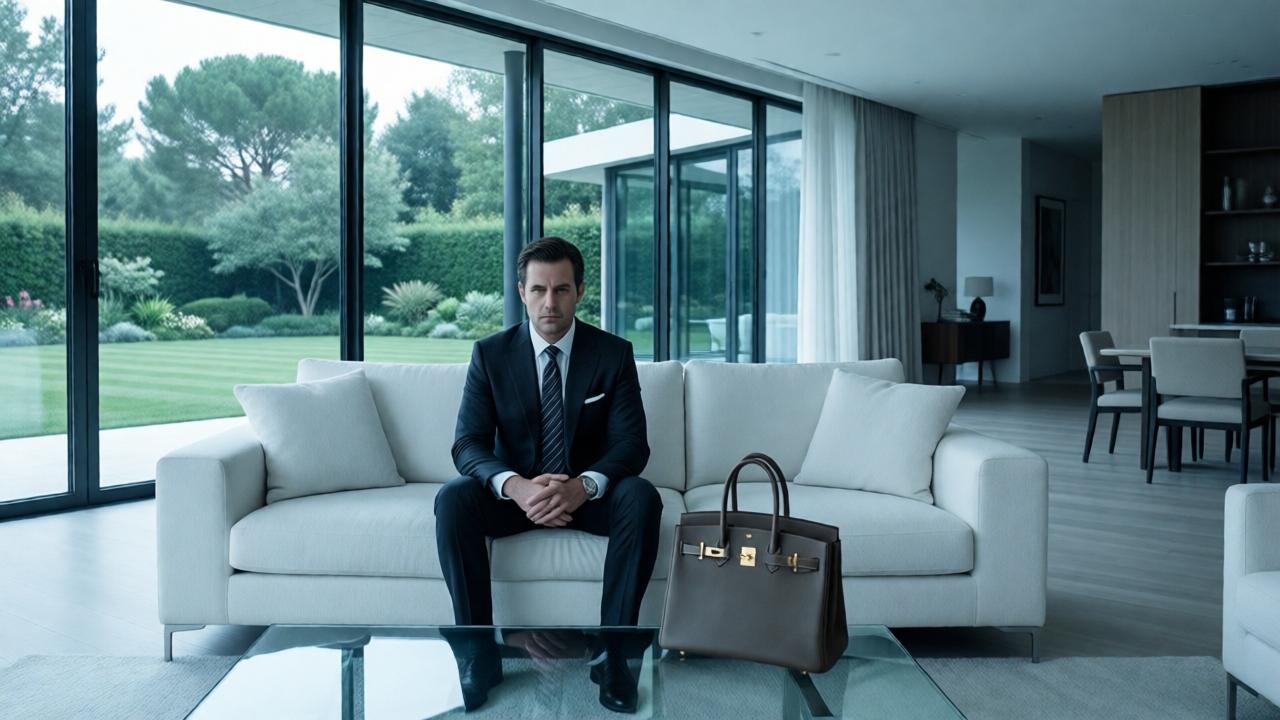
The breaking point came a week later. Celeste was planning an extravagant party. ‘We need to impress the Jacobsons. I’ve booked the caterer and the string quartet. It’ll be perfect,’ she declared. Robert, watching Leo help their elderly gardener carry a heavy pot outside—a simple act of kindness never seen in their home before—finally spoke. ‘Cancel it,’ he said, his voice quiet but firm. Celeste blinked. ‘Cancel the quartet?’ ‘Cancel everything,’ Robert stated. ‘We’re going back.’
And so, they returned to the village, but not for a lesson. This time, Robert asked for one. He found the man to whom Leo had tried to give money, named Thomas, and simply said, ‘Teach me.’ What followed was a summer of unlearning. Robert and Leo worked alongside villagers, mending fences, tending community gardens, and sharing meals where conversation mattered more than the cuisine. ‘Wealth isn’t what you hold in your bank,’ Thomas said one evening by a crackling fire, ‘it’s what you hold in your community.’
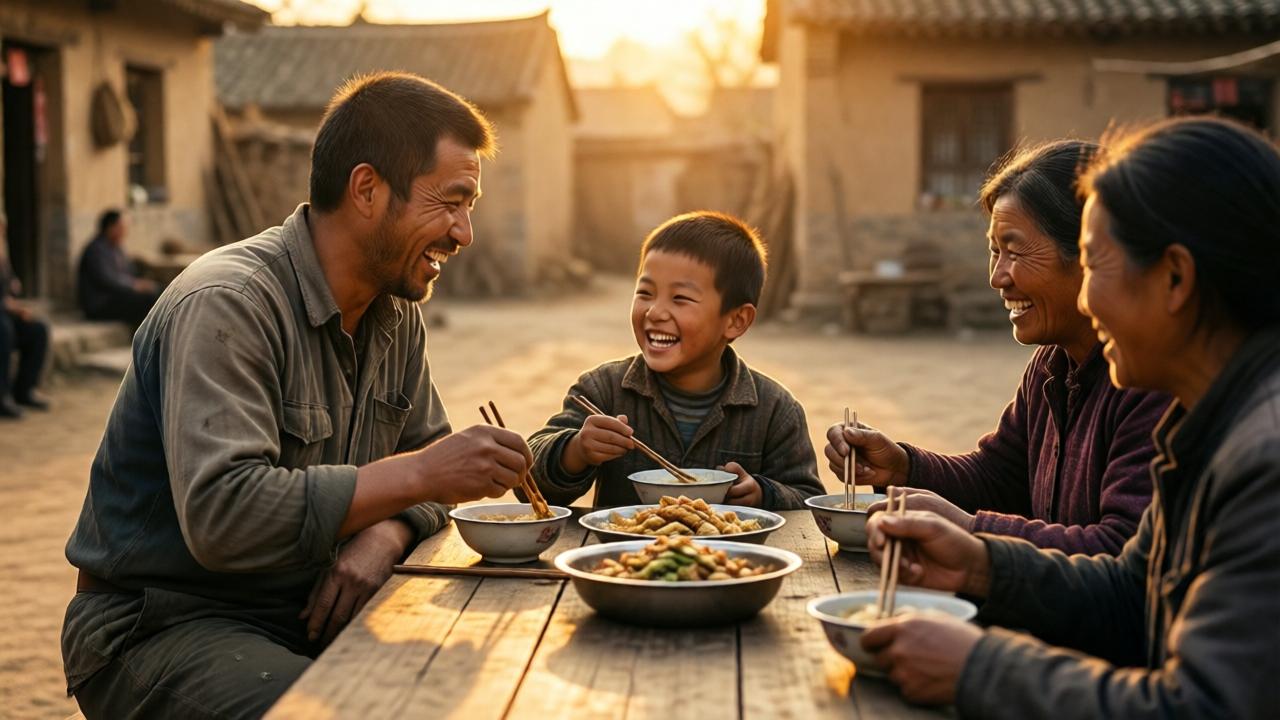
Back in the city, Celeste was furious. The final straw was Robert’s decision to sell the mansion and liquidate half his assets to fund a foundation for the village, providing sustainable jobs and a proper school. ‘You’re throwing our life away for a bunch of peasants!’ she screamed during their last argument. Robert, now calm in a way he’d never been, replied, ‘No. I’m finally building one.’ The divorce was swift. Celeste took a substantial settlement, but not the one thing she wanted: control.
Years later, on the opening day of the village’s new community center, Robert stood with Leo, now a young man. The twist was not a sudden inheritance or a villain’s comeuppance, but a quieter, profound transformation. A woman approached—Sarah, Thomas’s daughter, now a teacher at the school. She smiled at Leo, and the easy warmth between them was palpable. ‘Your father,’ Robert said, putting an arm around his son, ‘learned the hardest lesson: that the richest life is built with trust, not walls.’ As the village celebrated, Robert knew true wealth wasn’t in the bag Celeste demanded, but in the future he and his son had chosen to build, brick by brick, with the people who had everything money couldn’t buy.